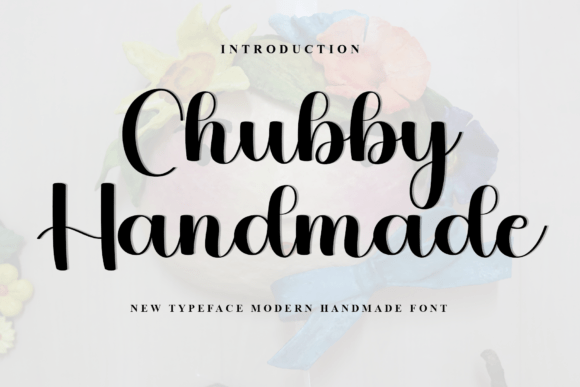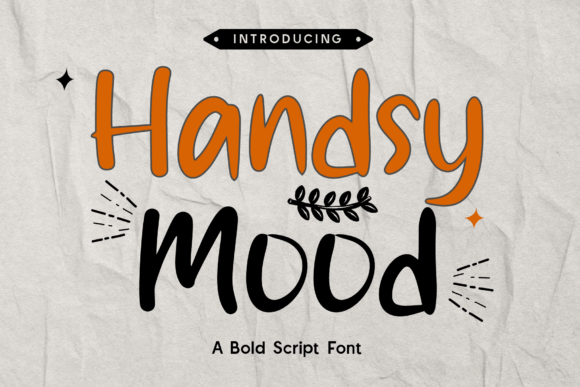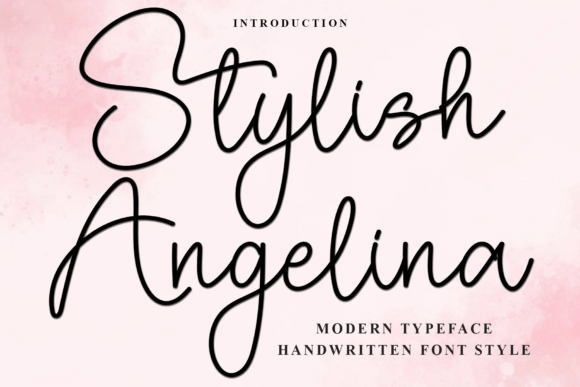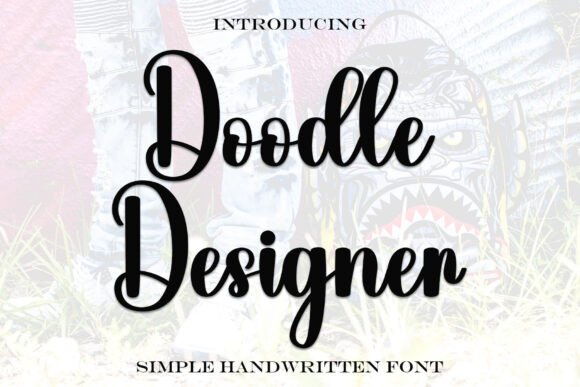
Handmade Melody: A Warm & Organic Font for Creative Design
There I was, staring at yet another hero section draft for a client’s organic skincare shop. The clean sans-serif headline was precise, but it lacked the soul and human touch their brand story needed. I needed a typeface that whispered “handcrafted” rather than shouting “mass-produced.” That’s when I imported Handmade Melody into my mockup. The difference was immediate. This wasn’t just a font swap; it was an injection of personality, warmth, and a distinctly approachable creative feel.
Where Handmade Melody Shines in Web Design
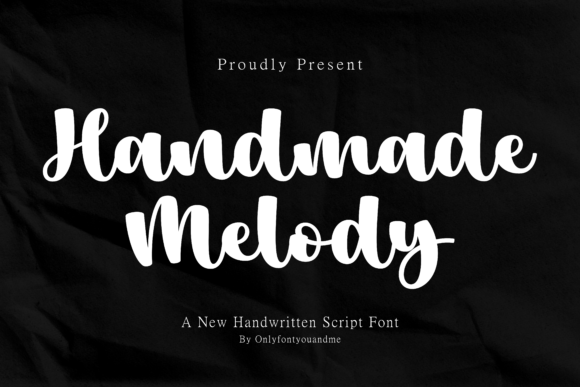
As a web designer, I’m always looking for display fonts that do more than look pretty—they need to perform. Handmade Melody excels as a true display typeface, perfect for moments where you want to evoke emotion and establish a brand’s character quickly. Its organic, slightly irregular strokes and natural flow give it an authentic handwritten quality that feels personal, not robotic. This makes it an ideal choice for creative businesses, lifestyle brands, and anyone wanting to convey warmth and craftsmanship online.
From a UX perspective, I tested it in several key areas:
- Hero Headlines & Landing Page Titles: On a boutique ceramics site, I used “Handcrafted for Daily Rituals” in Handmade Melody. The gentle bounce and warmth immediately set a welcoming, artisanal tone, far more effectively than a standard serif.
- Call-to-Action Accents: For a wellness coach’s site, pairing a clean, bold button (“Start Your Journey”) with “you deserve this” in a smaller Handmade Melody above it created a powerful, encouraging, and personal micro-moment.
- Section Headings & Breakers: In a long-form sales page for digital printables, using Handmade Melody for section titles like “What’s Inside the Bundle” added visual interest and a soft, human touch between blocks of informative sans-serif body text.
- Logo & Brand Lockups: For a small wedding planner’s portfolio site, using the font for her business name created an instant, memorable logo that felt both elegant and friendly.
Readability and Technical Considerations for the Web
Any decorative font faces the ultimate test: how does it behave across devices and in real layout scenarios? Here’s my practical take after testing Handmade Melody in responsive designs. For headlines, it renders beautifully and remains legible on modern screens. Its generous x-height and open letterforms help a lot.
However, this is not a font for body copy. Its decorative nature means it should be reserved for short, impactful phrases—think hero titles, pull quotes, branded statements, and navigational accents. Avoid using it for:
- Long paragraphs of text.
- Form labels or input field text.
- Small footer links or dense legal copy.
- Data-heavy dashboard interfaces where clarity is paramount.
When placing it over images, ensure strong contrast. A subtle text shadow or a semi-transparent overlay can work wonders to maintain readability, especially on busy background photos. Always, always preview on mobile. What looks charming and legible on a 27-inch monitor can become a tangled script on a phone screen if the size isn’t adjusted. I found setting a comfortable minimum font size and generous letter-spacing (tracking) in CSS kept it perfectly usable down to mobile breakpoints.
The Art of Pairing Handmade Melody with Other Fonts
A great display font needs the right supporting cast. Handmade Melody’s warm, organic personality pairs beautifully with clean, neutral typefaces that let it sing. My go-to strategy is to use it as the expressive voice and pair it with a highly readable sans-serif for all supporting text. This creates a perfect balance of personality and practicality.
For instance, on a modern creative’s portfolio site, I paired Handmade Melody with a geometric sans-serif like Montserrat or Proxima Nova for body text and UI elements. The contrast was clean, contemporary, and highly effective. For a more editorial or rustic brand identity, a simple serif like Lora or Merriweather can complement it well, grounding its playful energy. The key is to avoid pairing it with another highly decorative script font, which creates visual competition and reduces readability. Let Handmade Melody be the star of the typographic show.
Including Handmade Melody in Your Digital Brand Kit
Beyond one-off website projects, Handmade Melody is a fantastic asset for a cohesive digital brand identity. I recently used it to build a brand kit for a small-batch coffee roastery. We used the font consistently across:
- Their e-commerce website’s main banners and product category titles.
- Email marketing headers and promotional graphics.
- Social media templates for Instagram stories and Pinterest pins.
- Digital ad creatives, where its warmth helped the brand stand out in a feed of sterile stock photography.
This consistency builds instant recognition. When a customer sees that familiar, friendly script on an ad, then lands on the website and sees it again in the hero section, it reinforces brand trust and professionalism. It tells a visual story that’s coherent and deliberate.
Licensing and Practical Implementation Notes
Before embedding any font into a live website or client project, checking the practical details is non-negotiable. For Handmade Melody, ensure you have the appropriate commercial license if you’re using it for client work or on a revenue-generating site. Most modern font marketplaces offer clear webfont licenses.
You’ll typically receive files in WOFF and WOFF2 formats, the standards for modern web performance. Implementing it via @font-face in your CSS is straightforward. I also recommend checking for OpenType features—alternates or ligatures can add even more uniqueness to your headlines, though use them sparingly to maintain a cohesive look. While its strength is in display, see if it includes multilingual support if your project requires it; this can be crucial for global brands.
In terms of performance, a single weight of a well-optimized webfont like this has negligible impact on loading times, especially when subsetting is an option (though for a display font used in headlines, loading the full character set is often fine). The emotional and branding payoff far outweighs any minimal performance consideration.
In the end, Handmade Melody is more than a font file—it’s a design tool that brings humanity into the digital space. It solves a specific problem for web designers: how to make a website feel less like a template and more like a handshake. It’s for the brands that are built on passion, for the creators who value connection, and for the projects where a little warmth makes all the difference.