Blooming Garden: An Elegant Script Font for Digital Branding
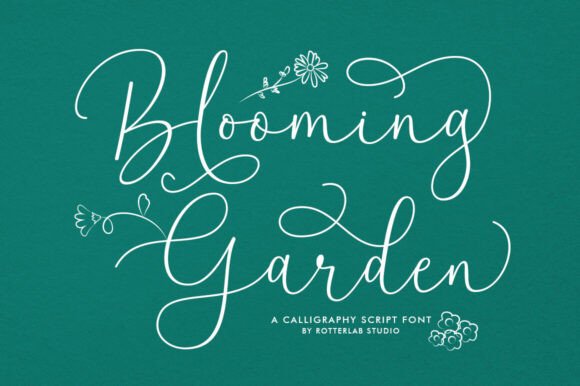
As a designer crafting digital experiences, the quest for typography that balances aesthetic allure with functional clarity is constant. Enter Blooming Garden, a calligraphy font that brings a distinct layer of sophistication to web and product interfaces. Its smooth, flowing lines and soft curves are not merely decorative; they are tools for establishing a brand’s digital tone from the very first glance.
The Digital Personality of Blooming Garden
Blooming Garden is crafted with a timeless elegance that translates exceptionally well to screens. Unlike some script fonts that can feel overly casual or difficult to parse, its letterforms maintain a consistent rhythm and generous spacing. This gives it a luxurious and refined personality, ideal for brands seeking to convey quality, creativity, and a human touch. In a digital landscape saturated with generic sans-serif headers, this font creates immediate visual distinction.
Its style sits within the broader Script Amp category, meaning it carries the expressiveness of handwriting while being engineered for design applications. The digital appeal lies in its versatility across resolutions and its ability to scale gracefully in responsive layouts.
Optimizing Web Layouts with a Script Display Font
The primary strength of a font like Blooming Garden lies in building visual hierarchy. In web design, hierarchy guides the user’s eye, dictates scanning behavior, and ultimately drives engagement. Here’s where this typeface excels:
- Hero Titles & Section Headings: Deploy Blooming Garden for key brand statements or value propositions on landing pages. Its elegance commands attention without shouting.
- Call-to-Action Accents: While not for body copy, using it for a single powerful word on a button (like “Discover,” “Create,” or “Indulge”) can significantly increase visual weight and click-through interest.
- Brand Anchors: It performs beautifully as logo text for creative agencies, boutique online stores, wellness coaches, or artisanal product brands, ensuring a consistent online identity.
- Decorative Highlights: Use it sparingly for pull quotes in blog posts, testimonial highlights, or category titles in an online shop banner to break the monotony of informational text.
Readability and Technical Considerations for the Web
For any display font, web readability is paramount. Blooming Garden, with its open curves, generally performs well, but practical application requires forethought:
- Mobile Screens & Responsive Design: Ensure font size is generous on smaller viewports. Avoid using it for phrases longer than four or five words on mobile to maintain legibility.
- Contrast is Key: On image overlays or photographic backgrounds, use a strong color contrast or a subtle text shadow to ensure the delicate strokes remain crisp. Test on both light and dark modes.
- Limit Use in Small UI Elements: Avoid using it for navigation labels, form fields, or small footer text. Its decorative nature is best reserved for high-impact, larger-scale elements.
Strategic Font Pairing for a Cohesive Digital Identity
Blooming Garden shines brightest when supported by a structurally simple counterpart. Effective pairing creates a harmonious layout rhythm that enhances overall readability.
A clean, highly readable sans-serif font is the most practical partner for body copy, product descriptions, and lengthy content. This combination allows the script font to be the brand personality while the sans-serif handles heavy informational lifting. For a more editorial or traditional digital identity, a refined serif font can also pair well, though careful attention to x-height and stroke contrast is needed.
This pairing strategy is essential for conversion-focused layouts. A stunning hero header with Blooming Garden captures emotion, while clear, accessible body copy in a paired font drives the user toward a decision without friction.
Real-World Applications for Digital Creators
Consider the tangible applications of this premium font across common projects:
- Creative Portfolio Website: Blooming Garden for the name and project titles, paired with a minimal sans-serif for case study descriptions, creates a portfolio that feels both artistic and professional.
- Boutique eCommerce Store: Use for collection headers, limited-edition product names, and special offer banners to evoke exclusivity and craftsmanship.
- Coaching or Course Sales Page: It perfectly frames transformative promises (“Your Journey Starts Here”) in the hero section, building an immediate emotional connection with potential clients.
- Digital Brand Kit: Including Blooming Garden as the primary display typeface ensures consistency across website headers, social media graphics, and digital ad creatives.
Licensing and Technical Integration
Before embedding any font into a web project, verifying its licensing is a non-negotiable step. For Blooming Garden, confirm that your license covers commercial web use. This typically means you can embed it via @font-face CSS for use on websites, client projects, and online stores. Many licenses also cover use in digital templates and brand assets you create for sale.
Check for included file formats like WOFF and WOFF2, which are standard for modern web performance. Also, explore if the font offers OpenType features like alternates or ligatures, which can add extra flair to headlines. Confirm multilingual support if your project requires it, as some script fonts may have limited character sets.
Integrating a web font like this is straightforward. Once licensed, you’ll host the font files or use a service, then declare them in your CSS. This process ensures every visitor sees your carefully crafted brand impression, regardless of the fonts installed on their device.
Ultimately, Blooming Garden is more than a pretty typeface. It’s a design asset that, when applied strategically, elevates user perception, reinforces brand trust, and provides the subtle polish that distinguishes a generic site from a memorable brand experience. Its value lies in its ability to be both a striking statement and a reliable component of a cohesive, user-friendly digital ecosystem.